Nature mysticism
by Marinus Jan Marijs
Nature mysticism – sublevel D
At the age of twenty.
It was in one of those old woods in Germany which seemed untouched by mankind. Whilst walking there, the impression was one of natural beauty and deep silence that pervaded this ancient wood.
Suddenly there was a total shift in consciousness. Everything seemed to come alive. There was a perception of streams and waves of energy moving through the trees. Whirling, circling and radiating non-physical energies. There was a feeling of oneness with the immanent forces in nature. A whispering silence, a heightened awareness. A state of total peace, serene exaltation.
A feeling of luminosity, clarity and brightness. In that timeless experience, which lasted about ten minutes, the perceiver and nature were one, undivided. There was a deep joy, a direct feeling of being energy. The gathering of stillness, clearness, transparency and lucidity. In such a state of being, consciousness is no longer a focal point in the physical body. Rather, one is an extended field. It is not like the higher bhava states, that have enormously concentrated fields of intensified subtle energies, but it is being part of an immanent and extended field which pervades the natural physical world. One could feel and be one with energy currents moving through a tree 200 meters away.This experience wasn’t the first of its kind, there had been similar experiences when being a child. Other experiences of nature mysticism would follow, hundreds of times, and the ability developed to not only feel these but also to see their colors, forms and movement patterns.
“At times I feel as if I am spread out over the landscape and inside things and am myself living in every tree, in the splashing of the waves, in the clouds and animals that come and go, in the procession of seasons.” – C.G. Jung.
~ C. G. Jung, Memories, Dreams, Reflections, Ch. 8
Nature mysticism is described by many poets in world literature, but its deeply-felt beauty is beyond poetry.
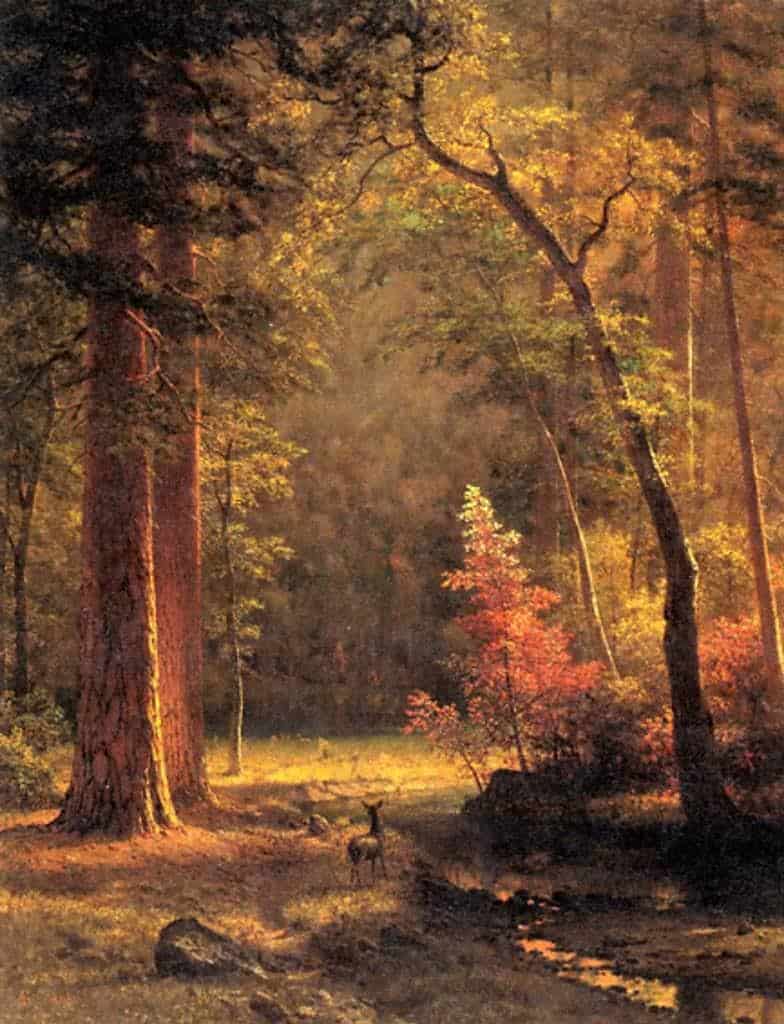 Albert Bierstadt (Solingen, 7 januari 1830 – New York, 18 februari 1902)
 Albert Bierstadt (Solingen, 7 januari 1830 – New York, 18 februari 1902)
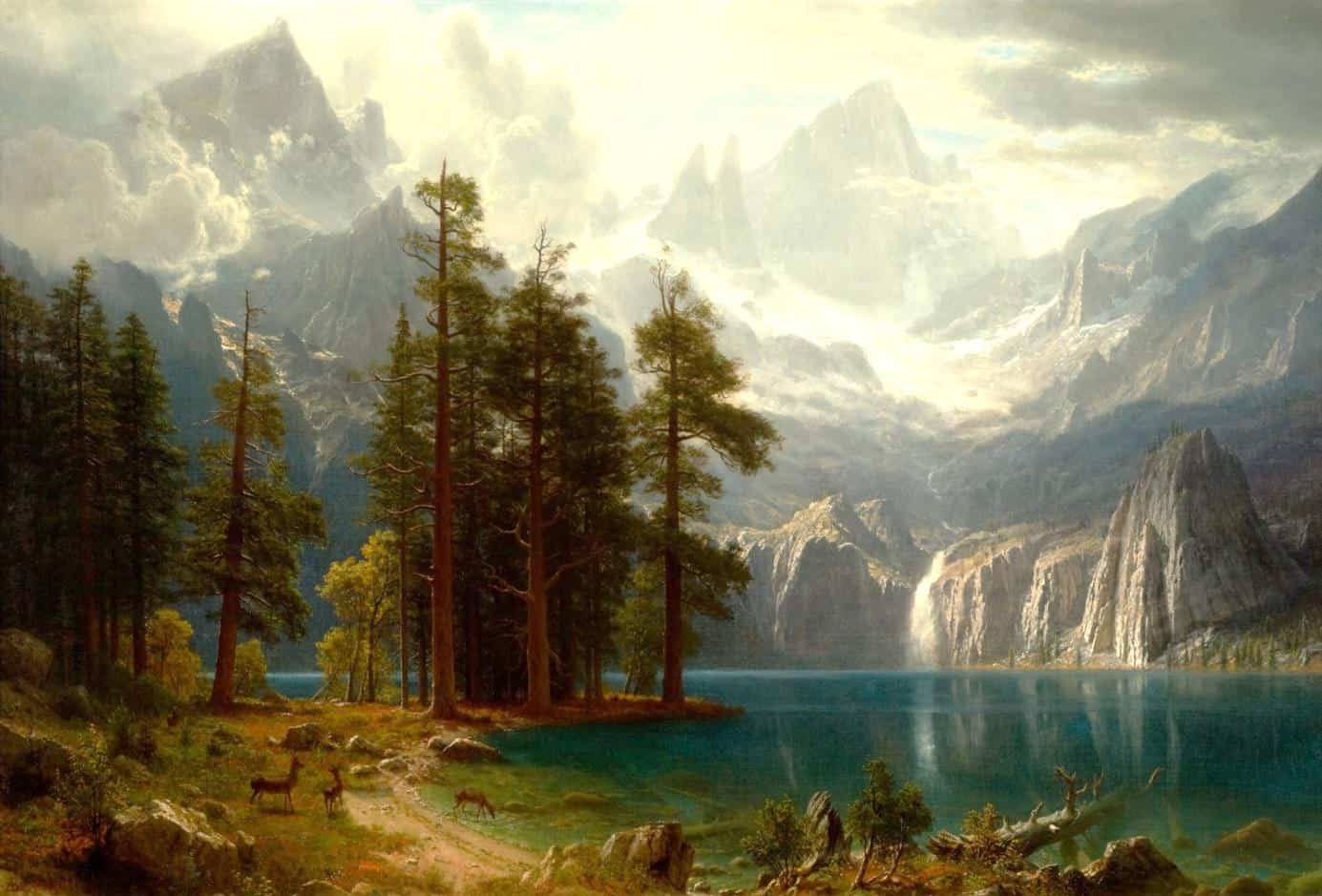 Albert Bierstadt (Solingen, 7 januari 1830 – New York, 18 februari 1902)
Show some love
"A philosophical treatise can be mostly written in object or process language,
but phenomenological descriptions must be by its very nature first person descriptions.
It is for this reason that self-observations, and personal experiences of the author are included."
Marinus Jan Marijs.