Time
by Marinus Jan Marijs
(phenomenology)

Our space conception as well as our time conception are both derived from physical sensory experiences. When one enters the higher worlds for the first time, it appears as if the normal, linear, asymmetric course of time which one finds in the physical world is here as well. That this is not always the case, is evident from the fact that by extrasensory perception one can see events from the future. In the higher worlds not only perceptions, but even movements in time are possible. Jumps backward as well as forward in time are achievable. Be it that the normal linear course of time is usually the case. The asymmetric course of time has to do with relationship between entropy and negentropy, the fact that as the higher levels are made out of highly activated subtle energies the level of negentropy is substantially higher than in the physical world. This could provide an explanation for the extraordinary time perceptions described above. In the higher worlds, the past, present and future seem to exist simultaneously. Both causality and time (in the sense of a regular succession of occurrences, only), seem to be functioning in a limited domain of reality.
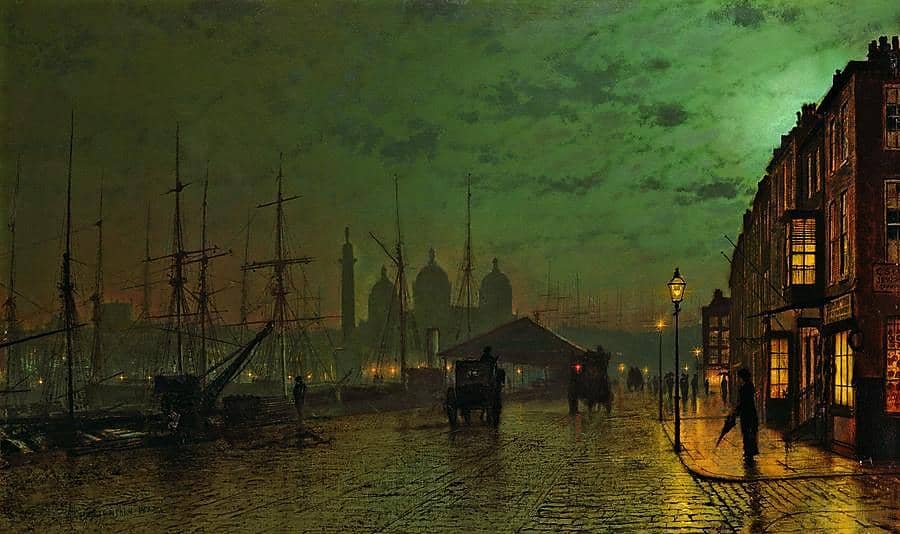
19th-century-painting- Atkinson Grimshaw (1836 – 1893)
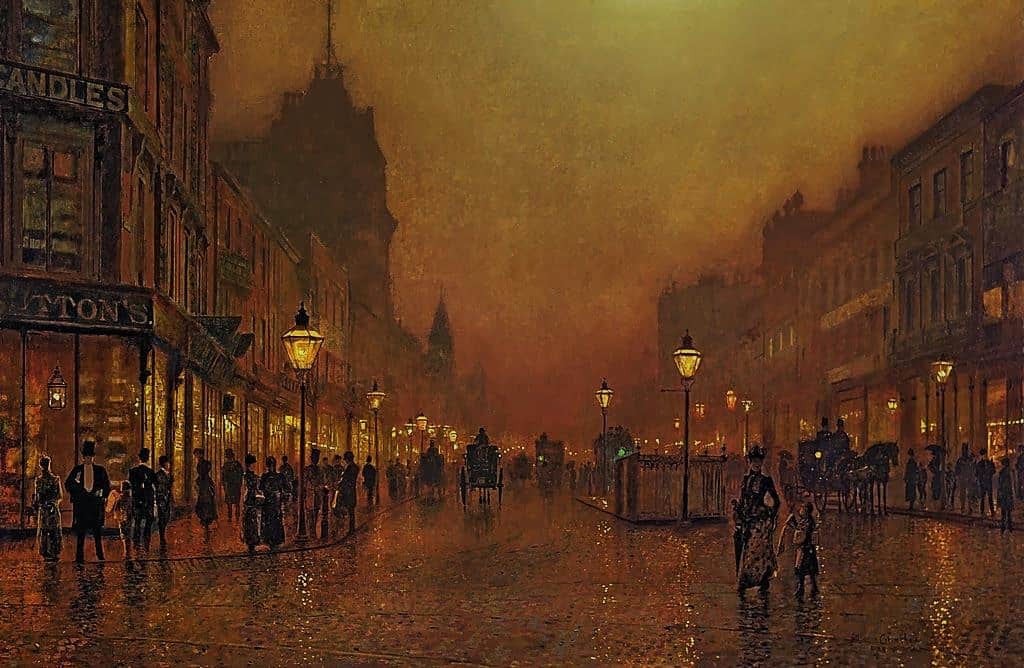
19th-century-painting- Atkinson Grimshaw (1836 – 1893)

19th-century-painting- Atkinson Grimshaw (1836 – 1893)

19th-century-painting- Atkinson Grimshaw (1836 – 1893)

19th-century-painting- Atkinson Grimshaw (1836 – 1893)
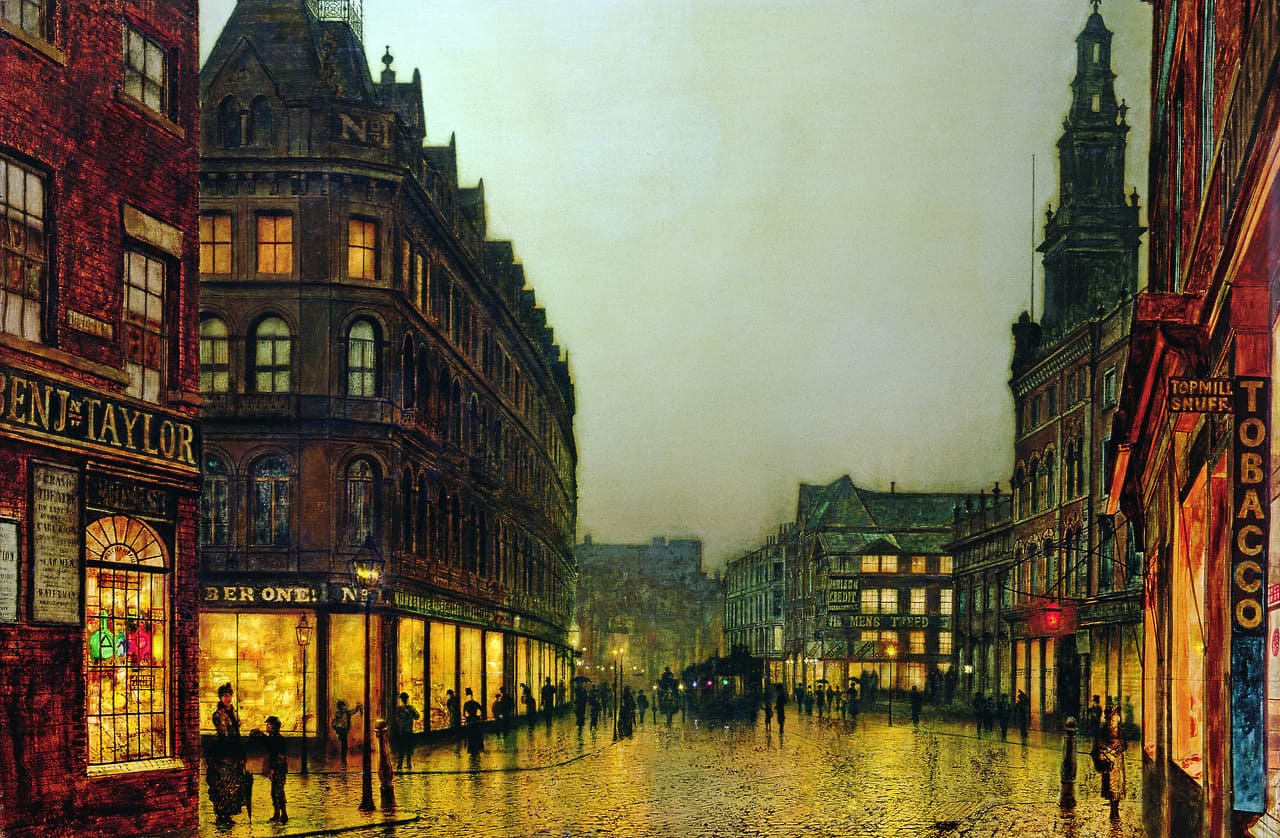
19th-century-painting- Atkinson Grimshaw (1836 – 1893)


Atkinson Grimshaw (1836 – 1893)

Arthur Grimshaw
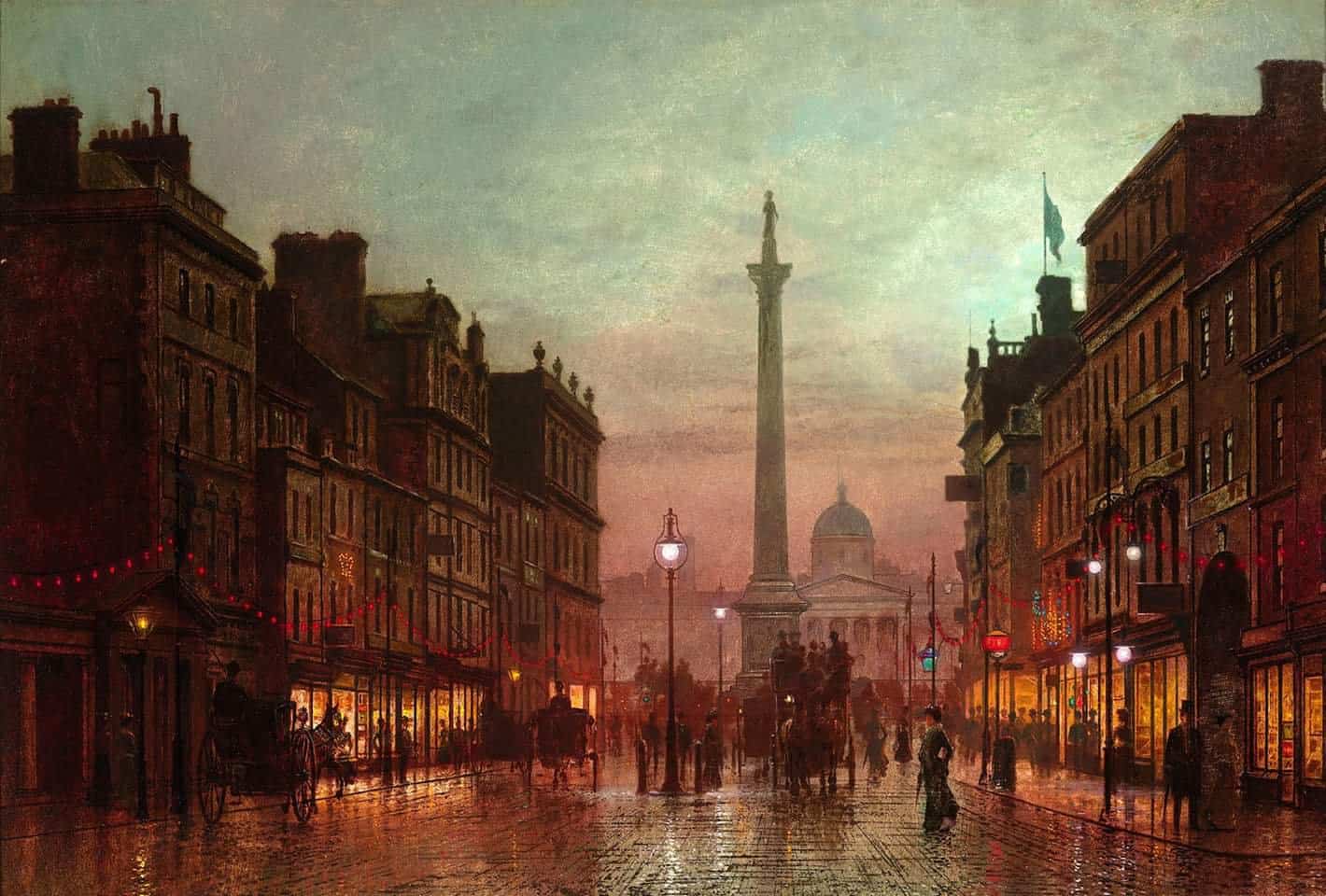 Louis Grimshaw
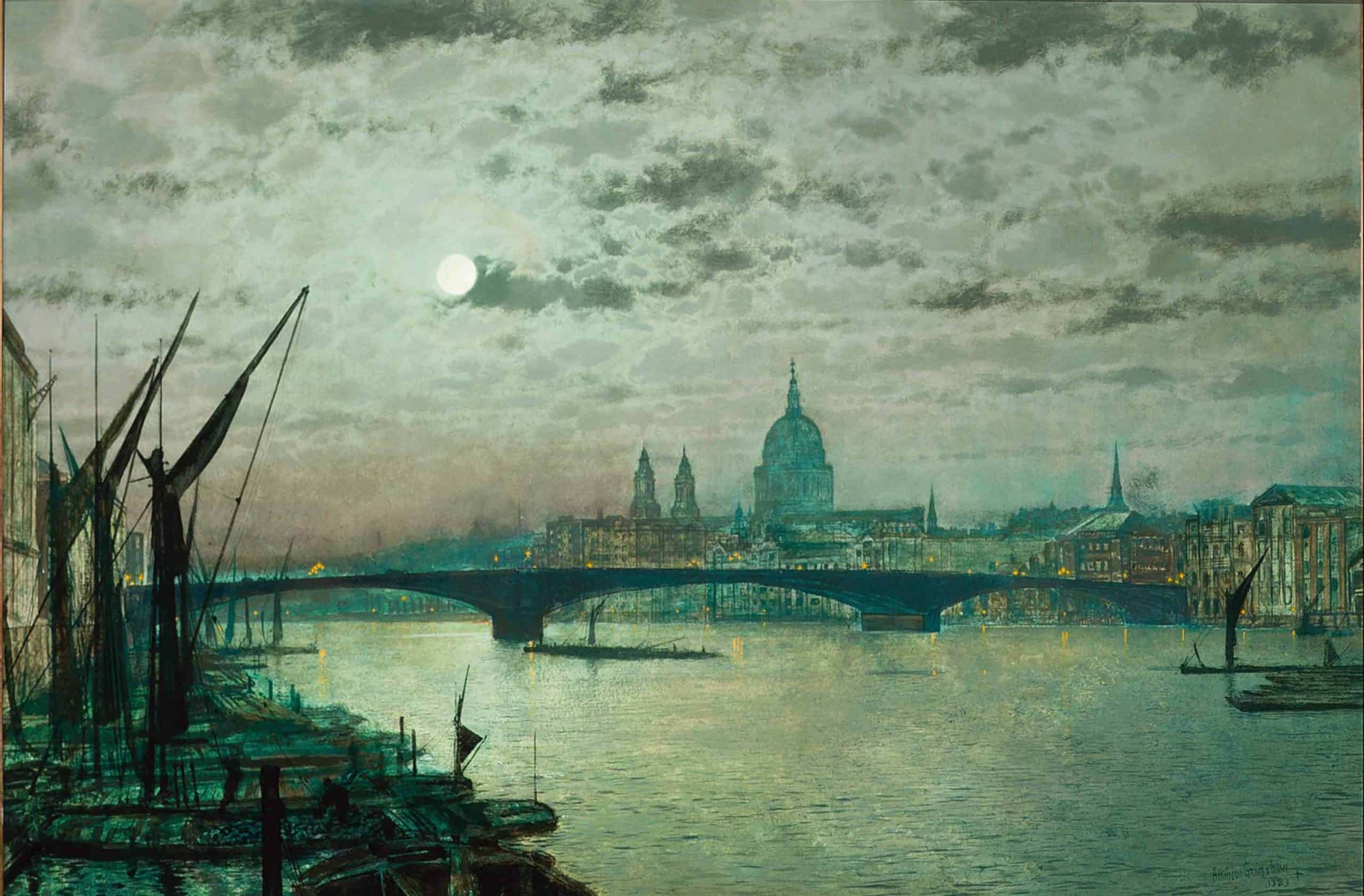
Atkinson Grimshaw (1836 – 1893)
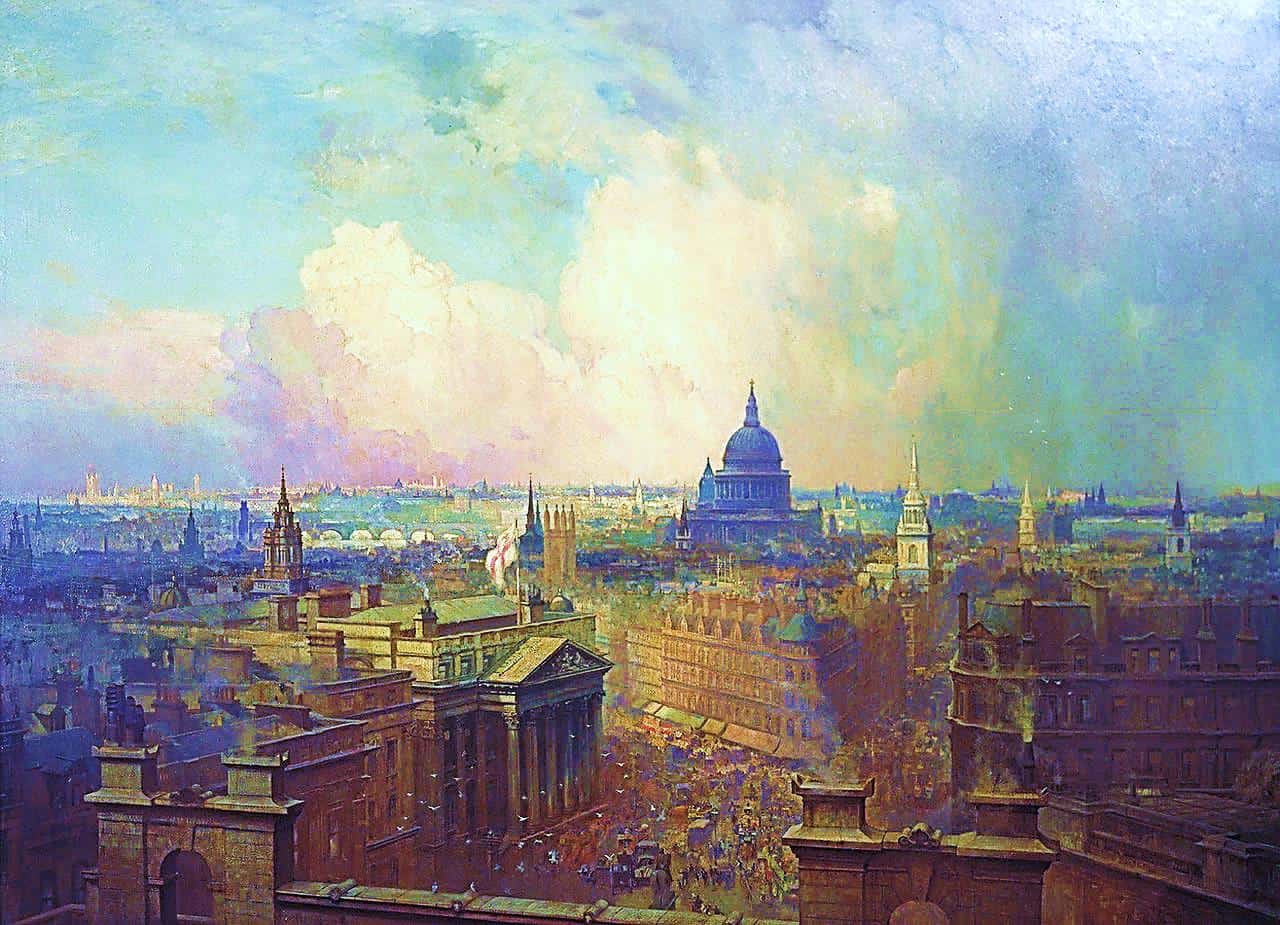
The Heart of Empire, by Niels Moeller Lund, 1904. (colour correction M.J.M.)
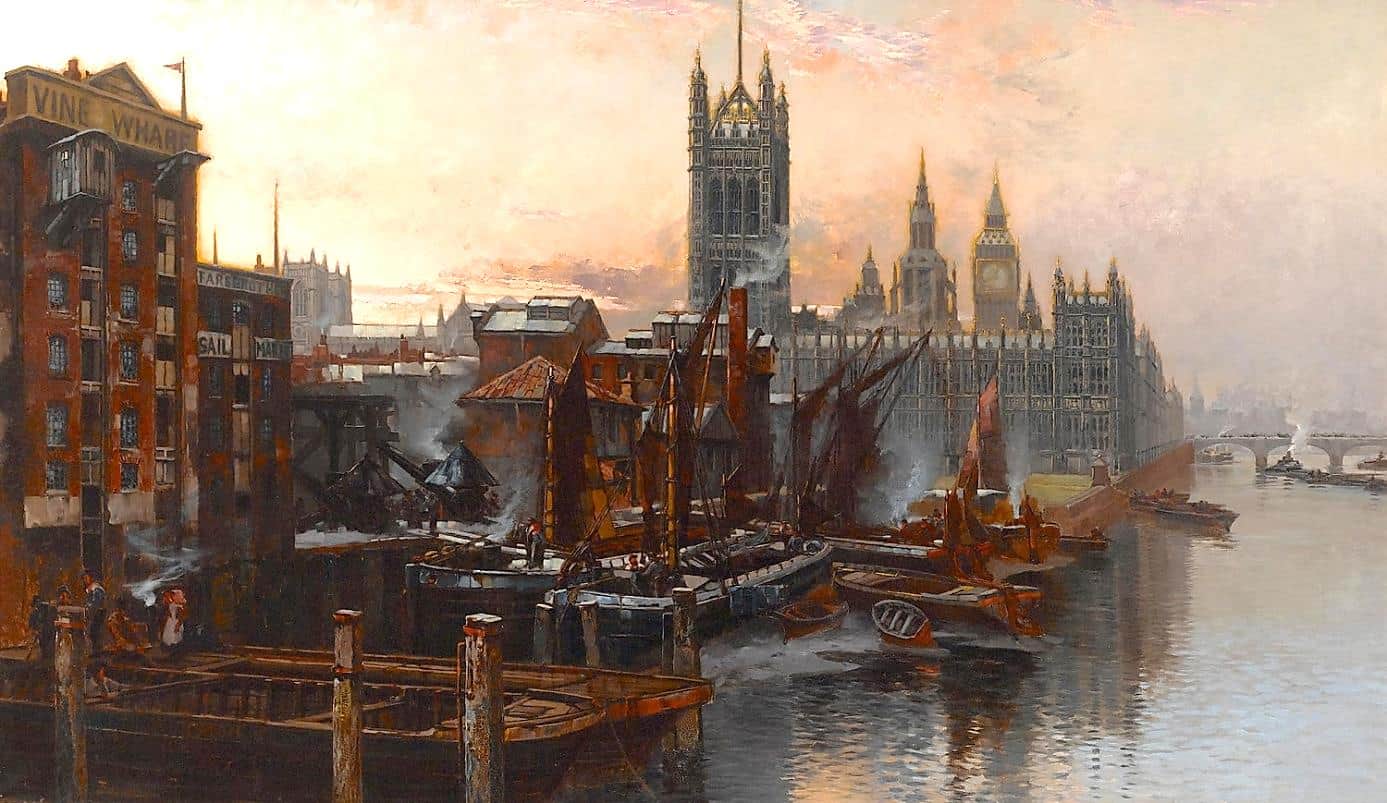
London Thomas Greenhalgh (1848-1906)

1903 Charles Edward Dixon, 1872-1934
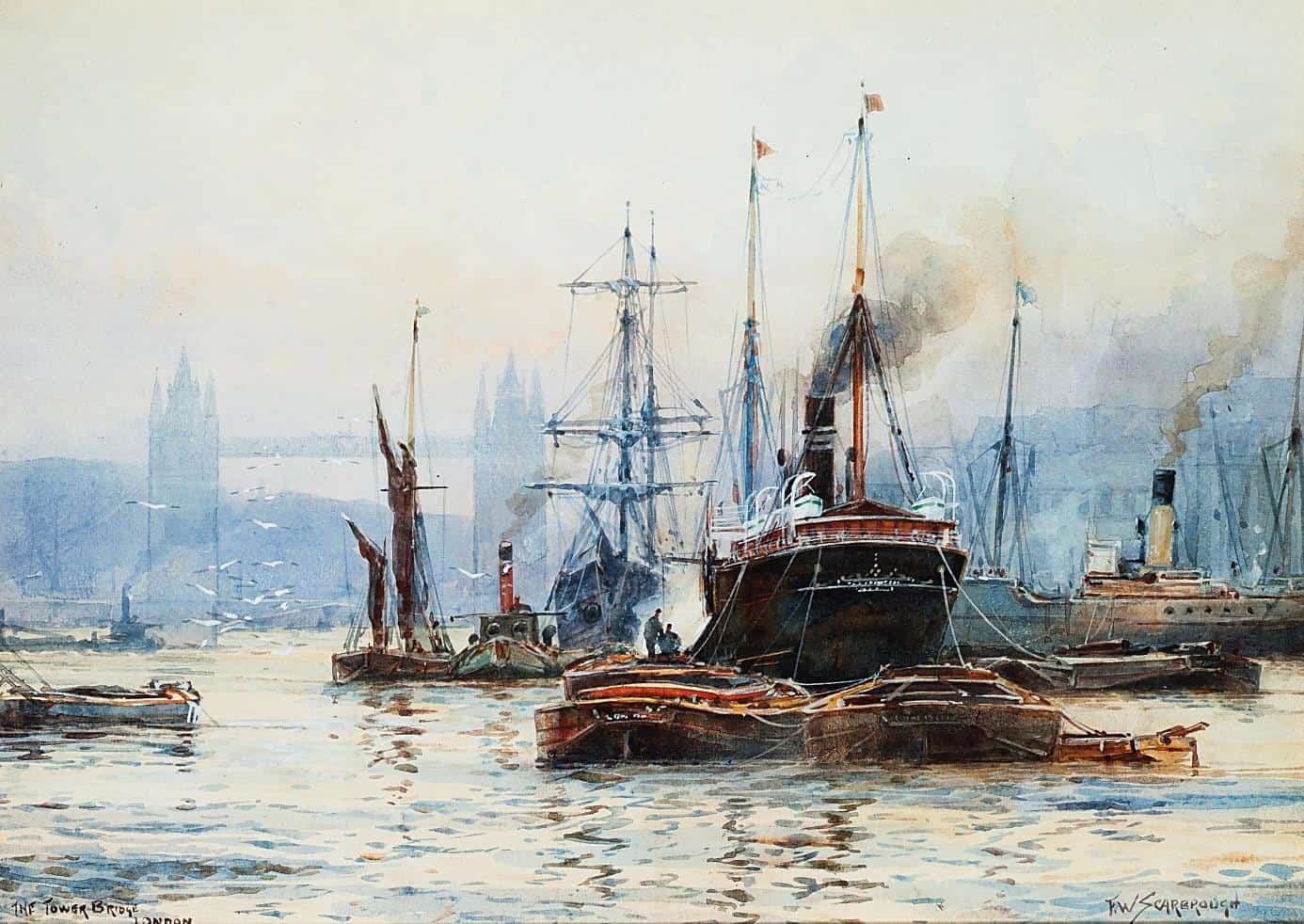
Frederick William Scarborough (1860-1939) Tower Bridge, London; and London Bridge

Docking a Cargo Ship by William Lionel Wyllie (1851-1931)

Arthur John Trevor Briscoe, (1873–1943) Clewing Up the Mainsail in Heavy Weather, c. 1925
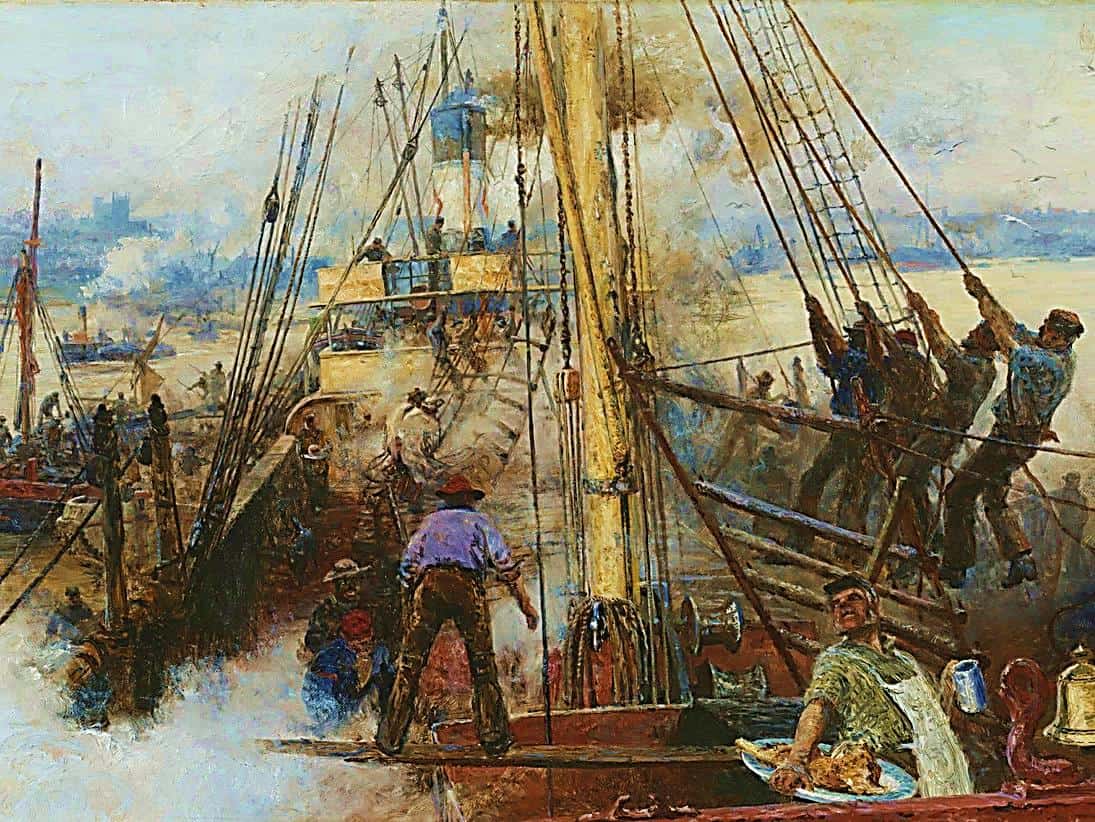
William Lionel Wyllie,1852 – 1931 King Coal, Rochester
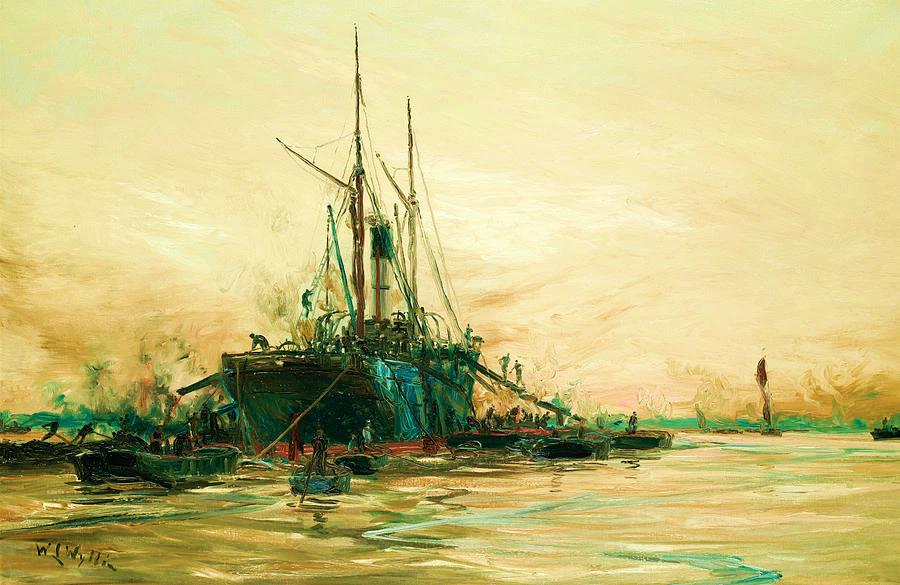
Sandsend of London discharging coal, by William Lionel Wyllie

Charles Edward Dixon (1872-1934) The Pool of London

Konstantinos Volanakis

Alfred Wierusz-Kowalski 1849-1915 – The peasant wedding
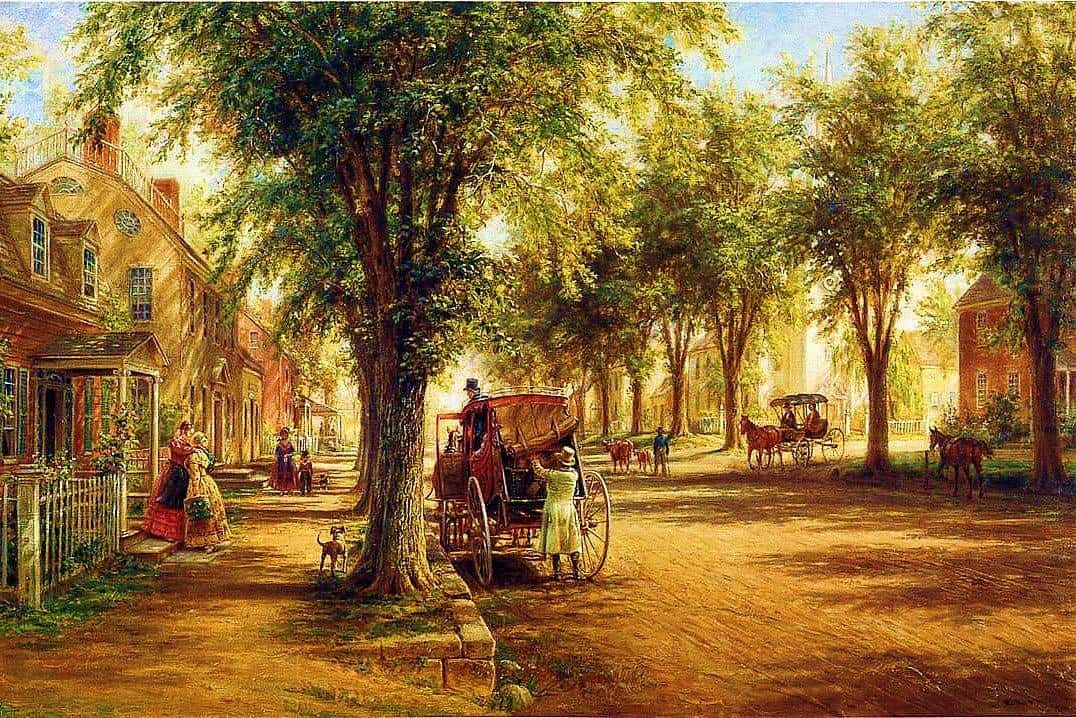
Edward Lamson Henry 1841-1919
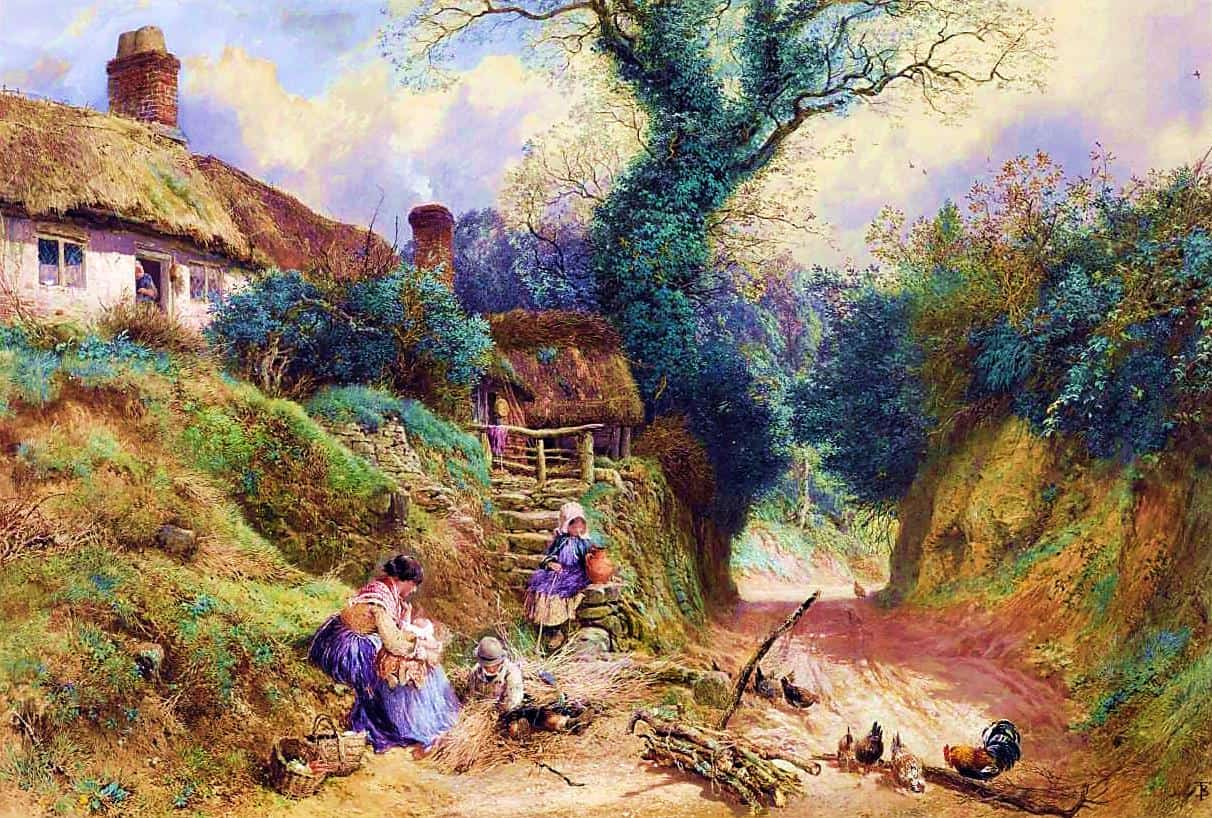
Myles Birket Foster Lane Scene in Hambledon (exhibited 1862)

Alfred Wierusz-Kowalski (1849-1915) “The Return Home at Sunset”
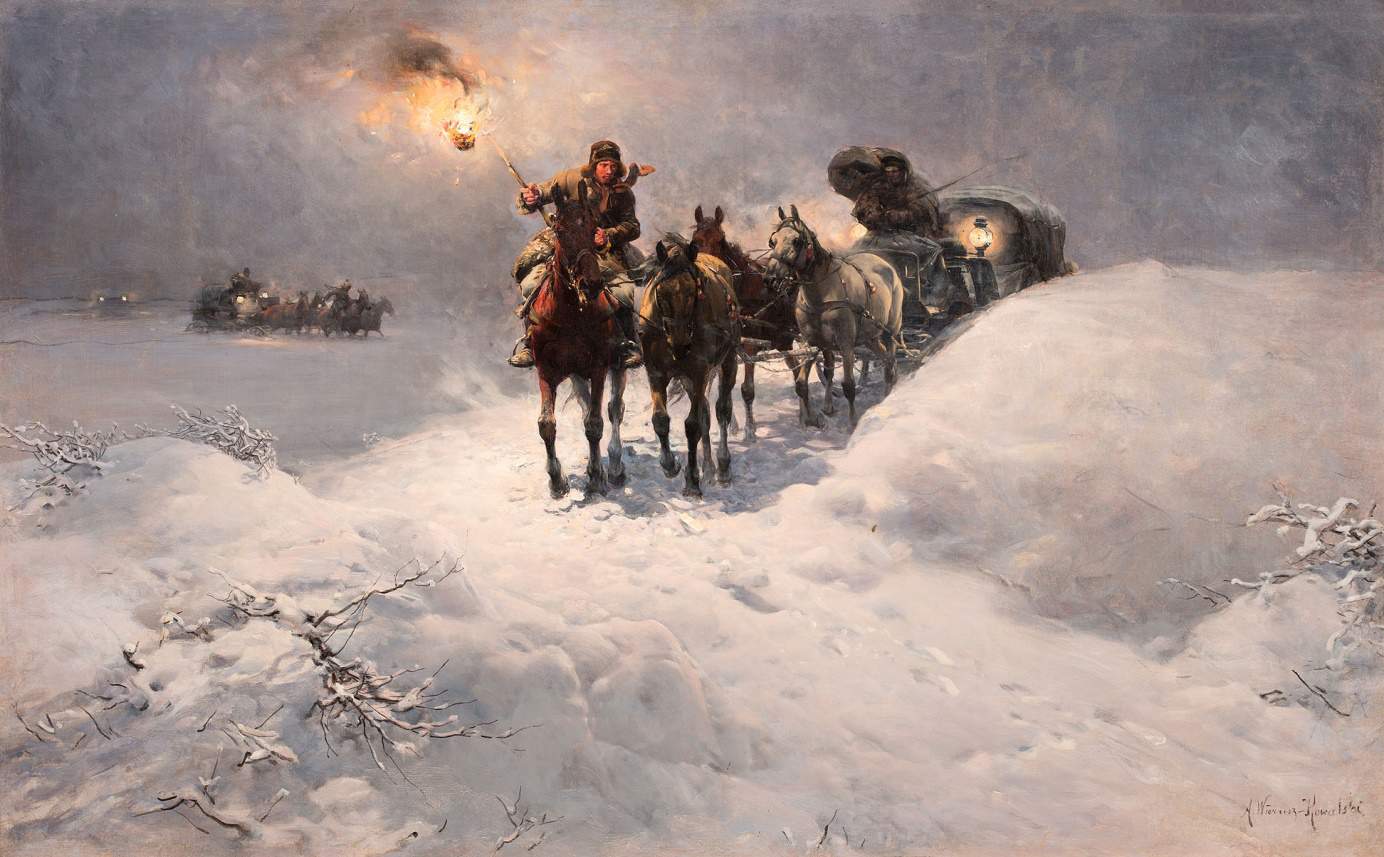 Alfred Wierusz-Kowalski, Night driving, before 1892
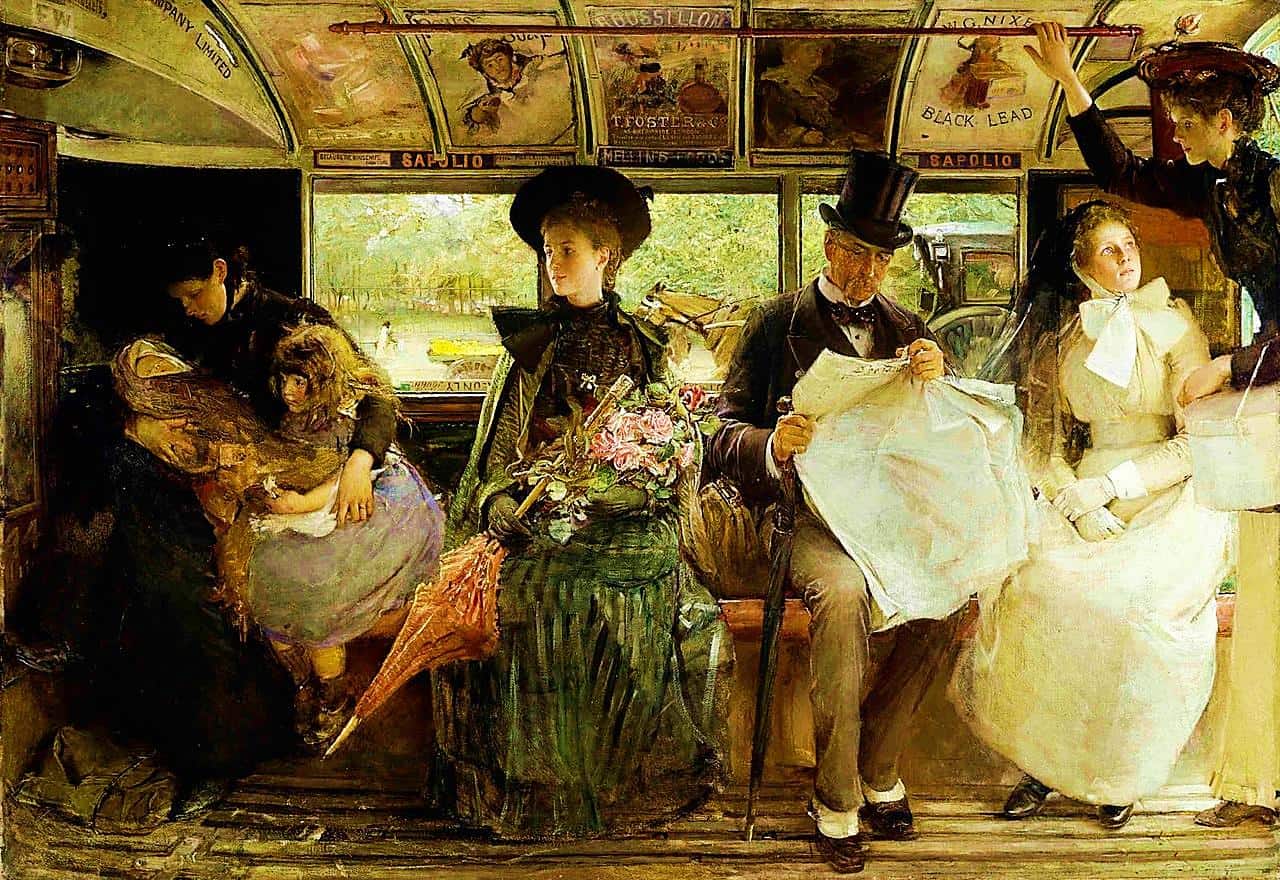 The Bayswater Omnibus 1895 by George William Joy.
 Willard Metcalf (1858 –1925) The Ten Cent Breakfast
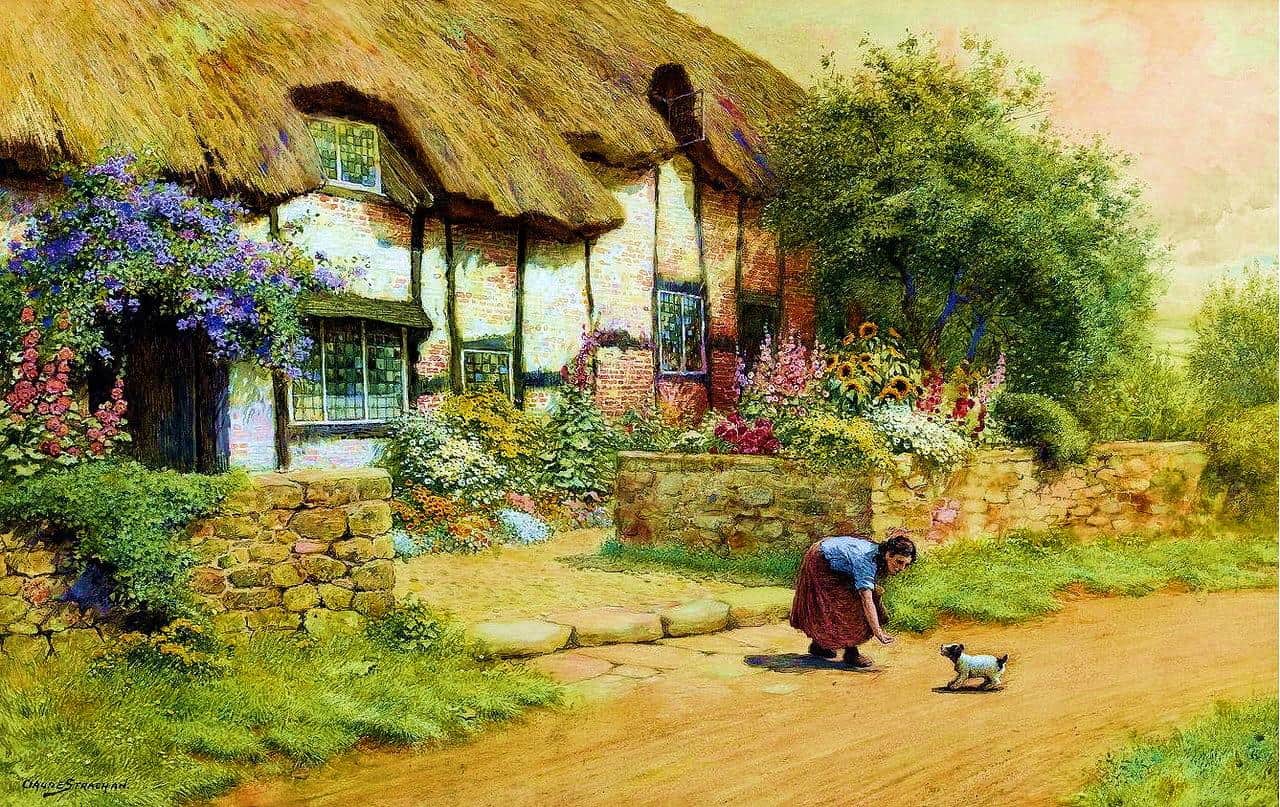 Arthur Claude Strachan (British, 1865-1938) – Young Girl Feeding a Puppy
 Arthur Claude Strachan – A cottage garden in full bloom
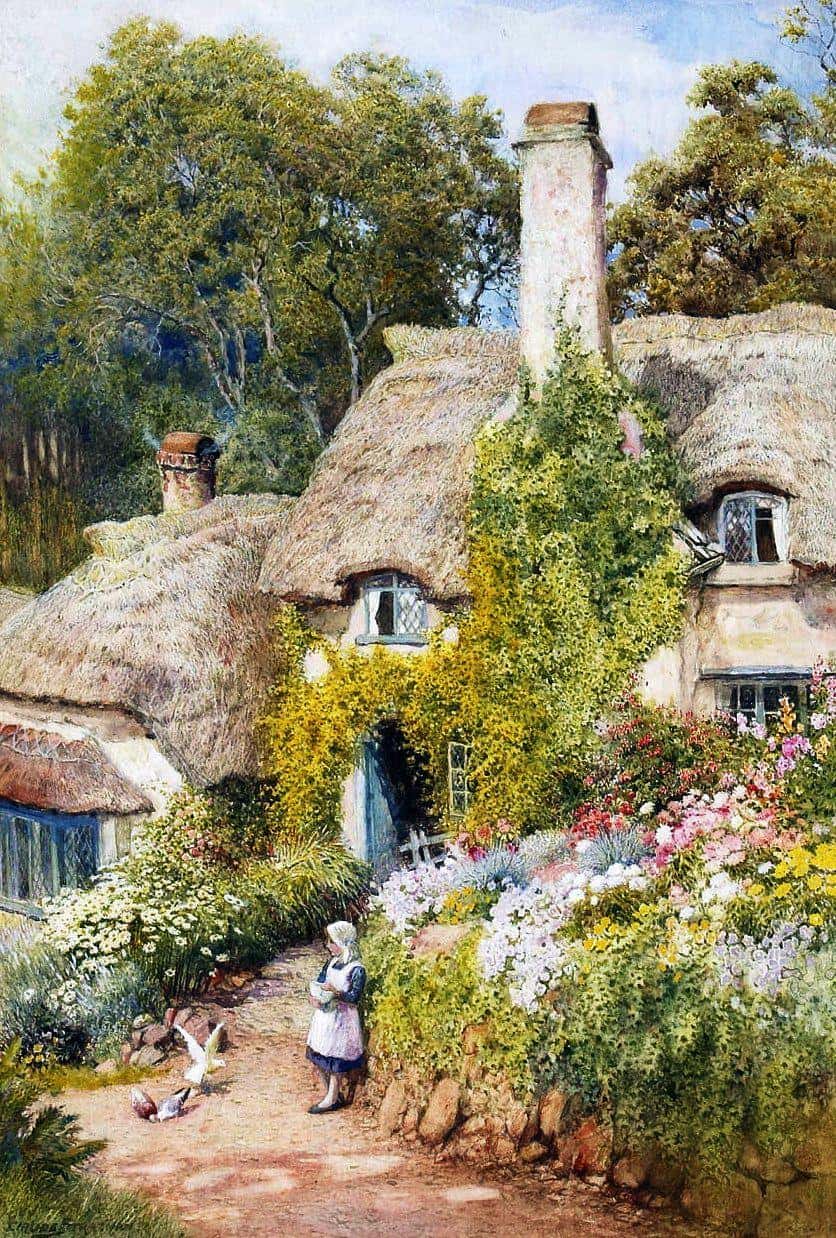 Arthur Claude Strachan (British, 1865-1929) – A thatched cottage

Arthur Claude Strachan – Going to Town
 Josef Theodor Hansen (1848-1912) View of Rothenburg
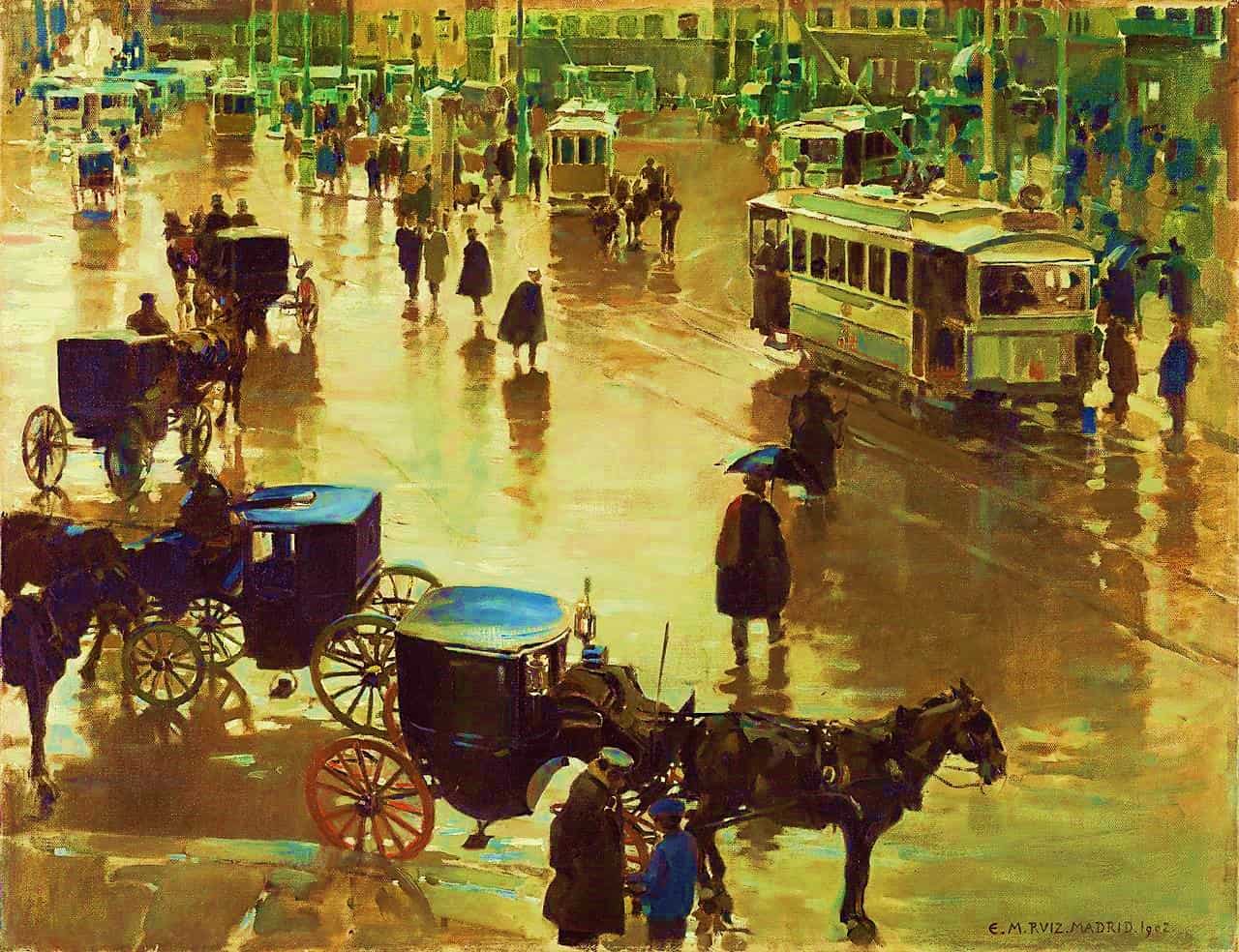
Enrique Martínez Cubells (Spanish, 1874-1947), La Puerta del Sol, Madrid, 1902
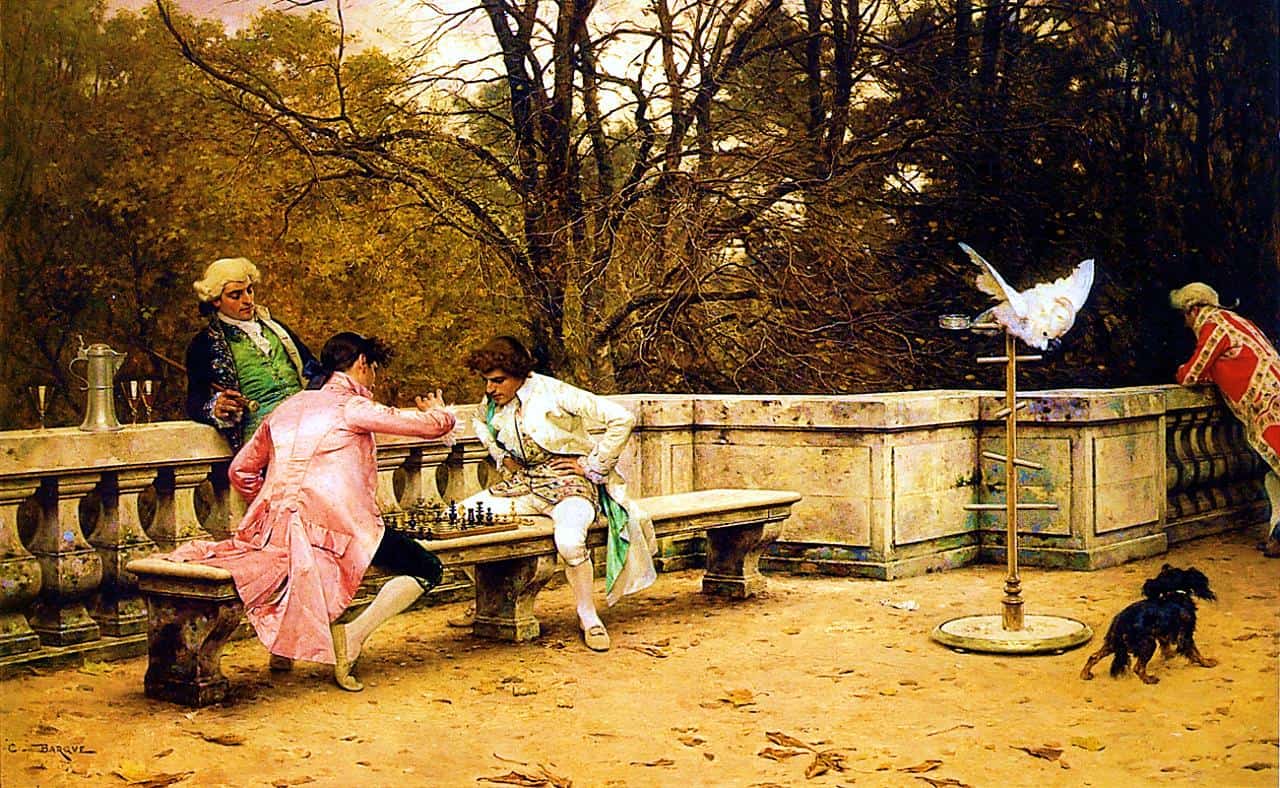
Fichier: Bargue The Chess Game 1882

Gailliard, Francois – Devant le Palais de la Bourse .

Cesare Auguste Detti (1847-1914)
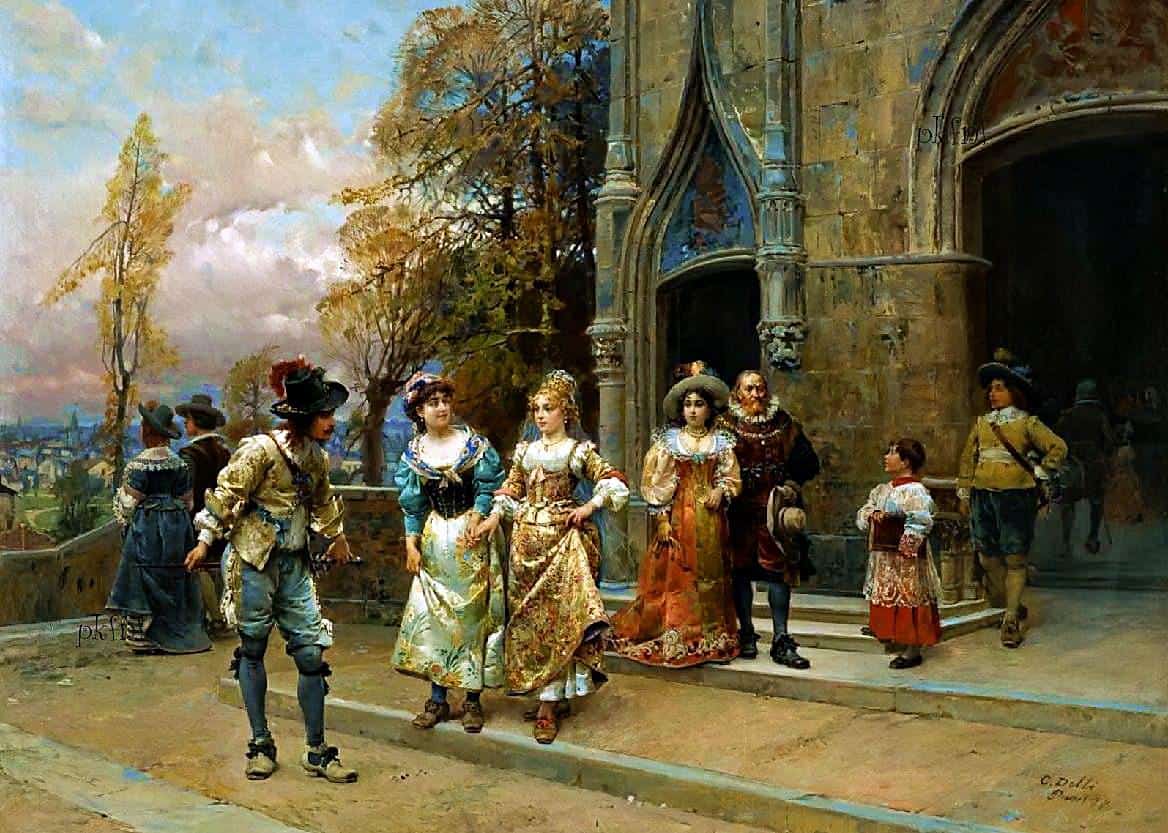
Cesare Auguste Detti (1847-1914)

Léon Zeytline (1885-1962) Coach on the Grand Boulevard

Victor Gabriel Gilbert (1847-1933) The Flower Market Paris 1881
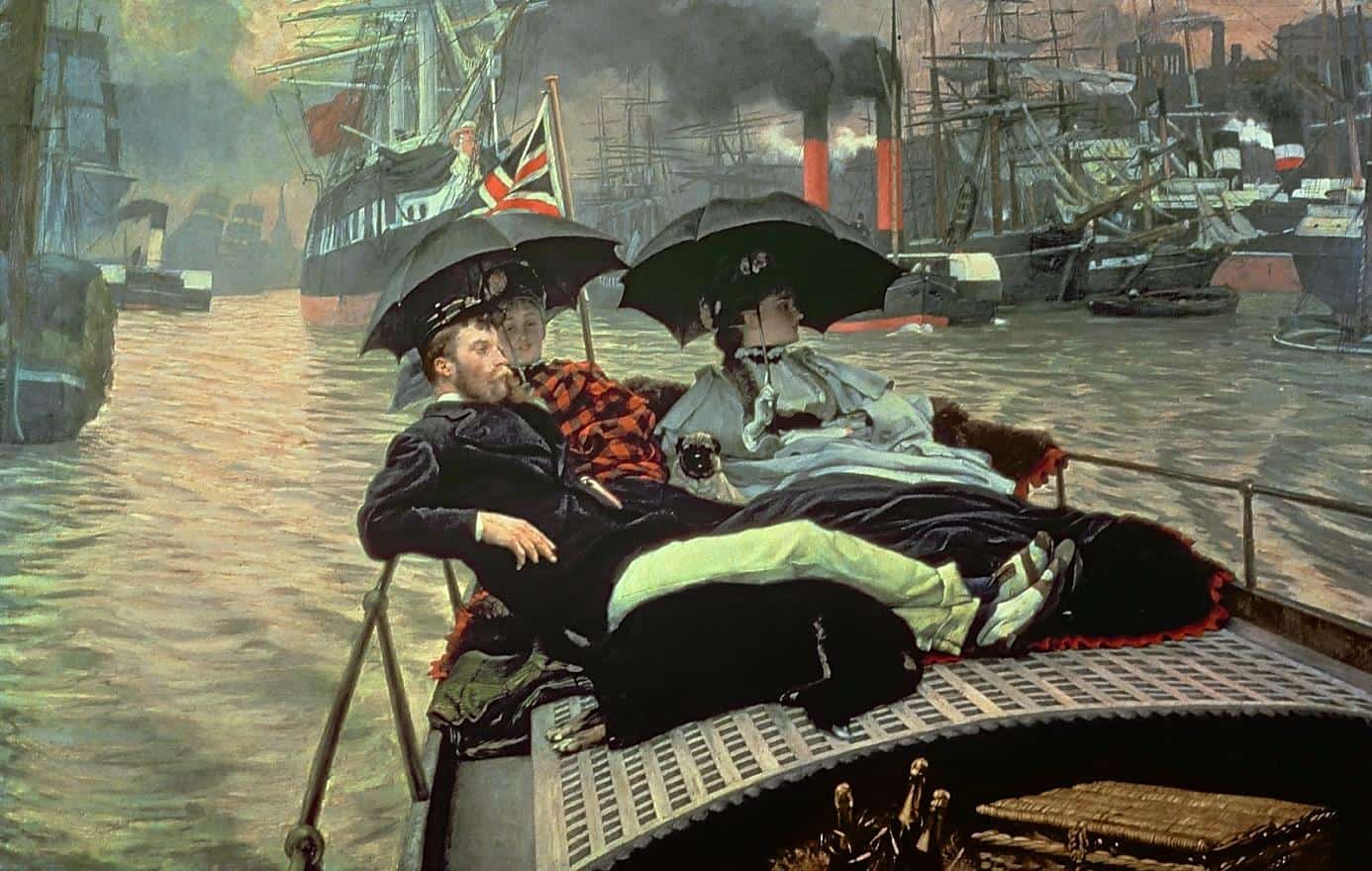
James Tissot “On the Thames”
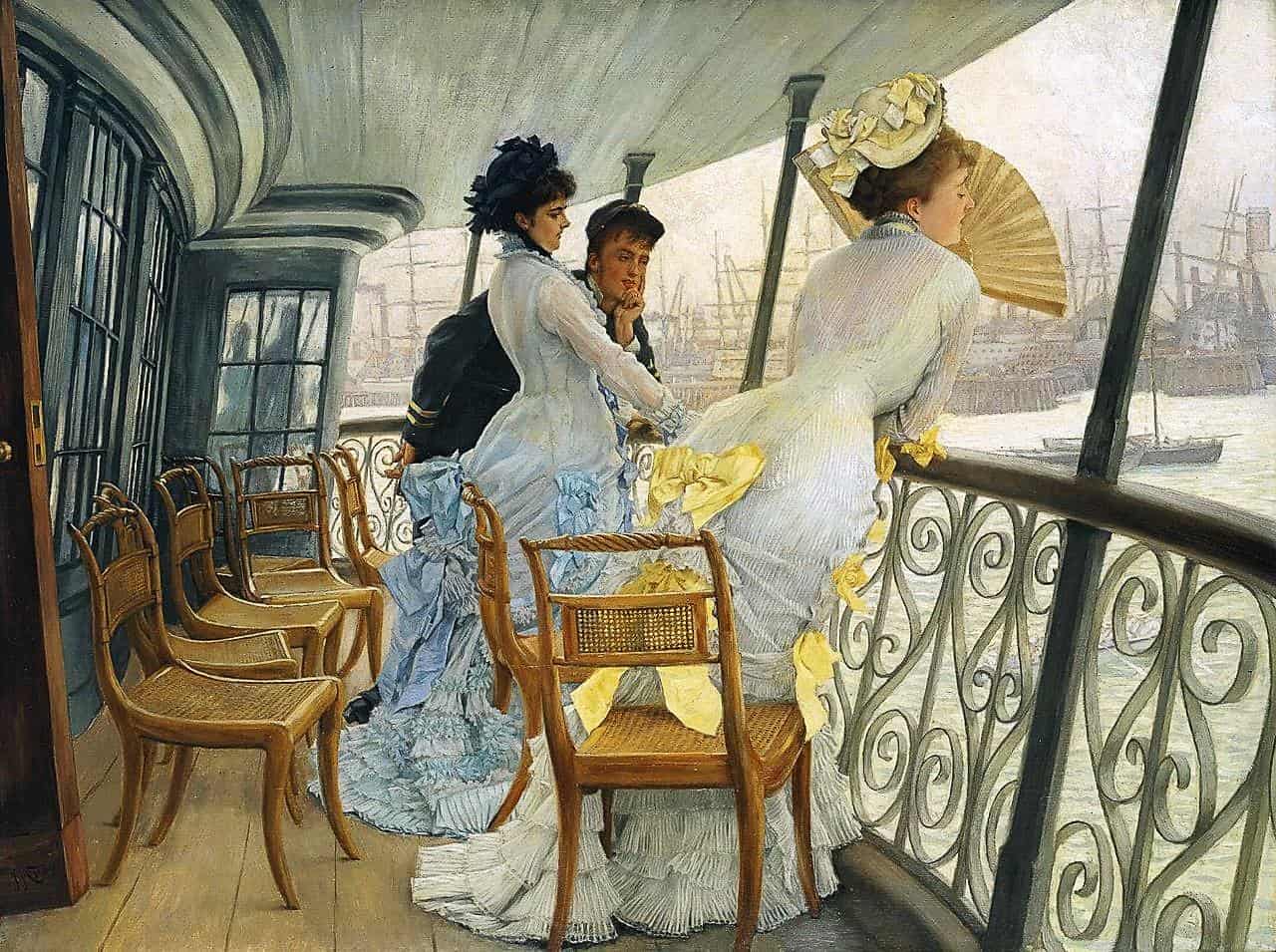
James Tissot, The Gallery of HMS Calcutta (Portsmouth) c.1876
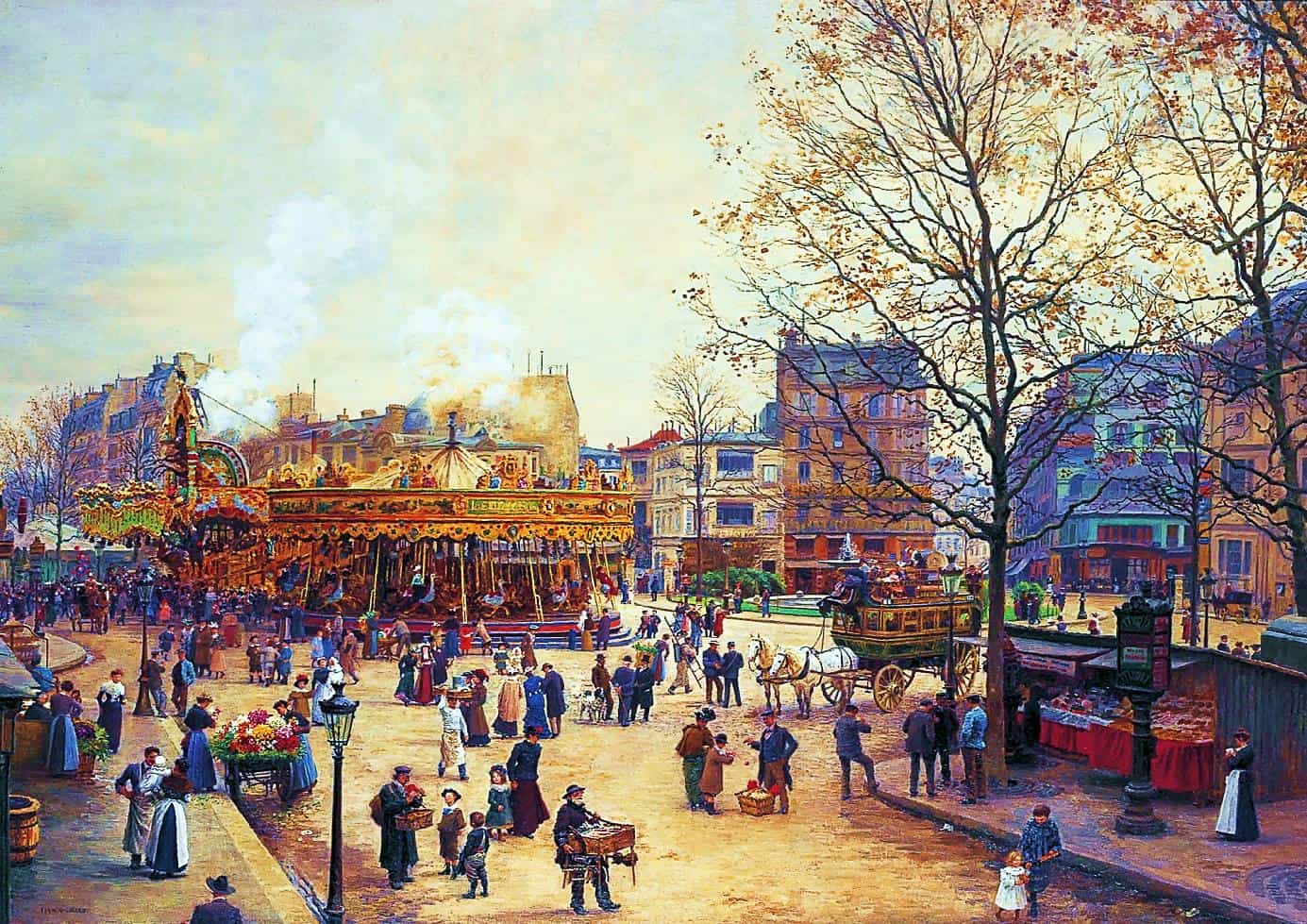
Marie François Firmin-Girard 1838-1921 La Fête Place Pigalle, Parijs 1908-1911
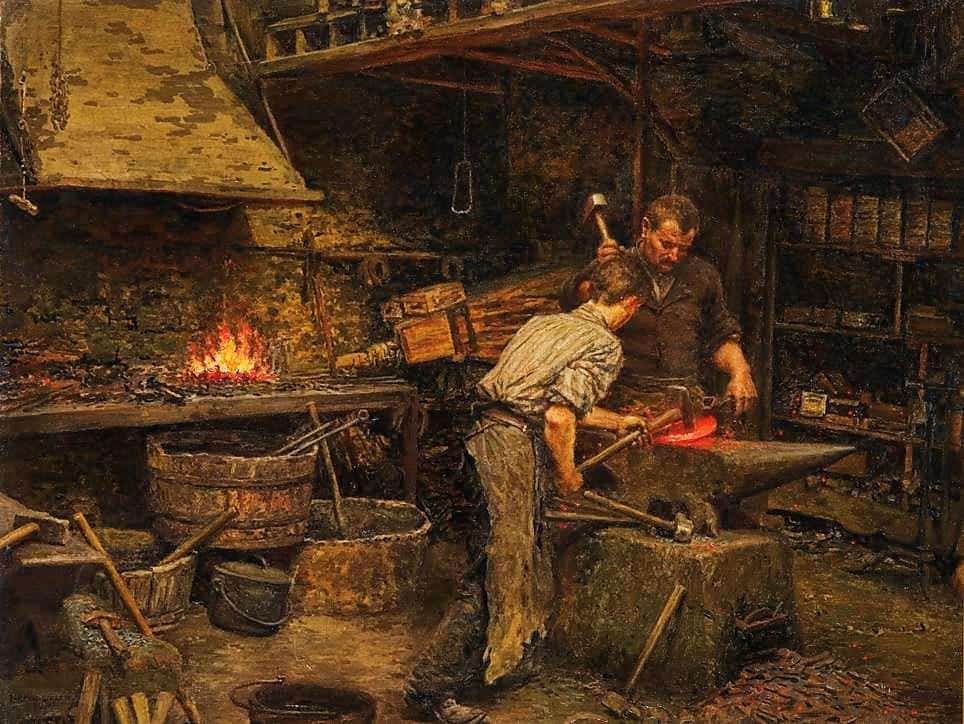
Firmin-Girard peintre des métiers et des arts du feu
Show some love
"A philosophical treatise can be mostly written in object or process language,
but phenomenological descriptions must be by its very nature first person descriptions.
It is for this reason that self-observations, and personal experiences of the author are included."
Marinus Jan Marijs.