X
Xenoglossy
Xenoglossy
Word definition: the putative paranormal phenomenon in which a person is able to speak or write a language he or she could not have acquired by natural means.
Etymology: Charles Richet who won the Nobel Prize in Physiology or Medicine in 1913, coined the term xenoglossy in 1905.
Xenoglossy (/ˌziːnəˈɡlɒsi, ˌzɛ-, -noʊ-/, also written xenoglossia (/ˌziːnəˈɡlɒsiə, ˌzɛ-, -noʊ-), sometimes also known as xenolalia, is the putative paranormal phenomenon in which a person is able to speak or write a language he or she could not have acquired by natural means. The words derive from Greek ξένος (xenos), “foreigner” and γλῶσσα (glōssa), “tongue” or “language”
Technical description: Dr Ian Stevenson defines xenoglossy as `speaking a real language entirely unknown to [the speaker] in his ordinary state’ As Stevenson notes there are numerous published reports of cases of xenoglossy, but most of them contain too little information to permit a test of their validity.
See further: https://marinusjanmarijs.nl/evidence-based-approach/14-research-areas/forms-of-inspiration/xenoglossy/
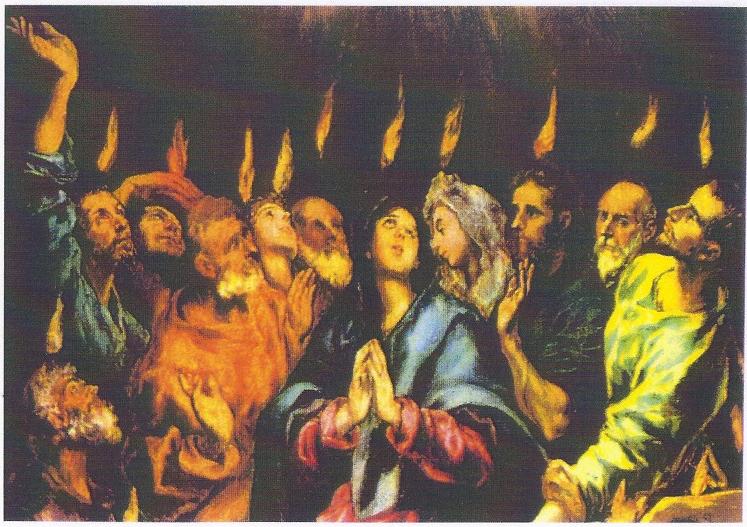
Cross-cultural comparisons: Stories of xenoglossy are found in the Bible.
Relevance of the concept: Knowledge that cannot find its origin in a personal memory.
Supporting evidence: Ian Stevenson’s Unlearned Language: New Studies in Xenoglossy (1984)
Word + definition:
Etymology:
Technical description:
Phenomenological description:
Synonyms:
Schemas / Maps:
Illustrations:
Cross-cultural comparisons:
Relevance of the concept:
The concept in mythology:
Citations:
Supporting evidence:
Serial patterns in time:
Parallel patterns in time:
Cross connections:
Literature: Books / Articles / Websites:
Show some love
"A philosophical treatise can be mostly written in object or process language,
but phenomenological descriptions must be by its very nature first person descriptions.
It is for this reason that self-observations, and personal experiences of the author are included."
Marinus Jan Marijs.